Blood pressure
Plain answers about blood pressure, with every statement linked to its source.
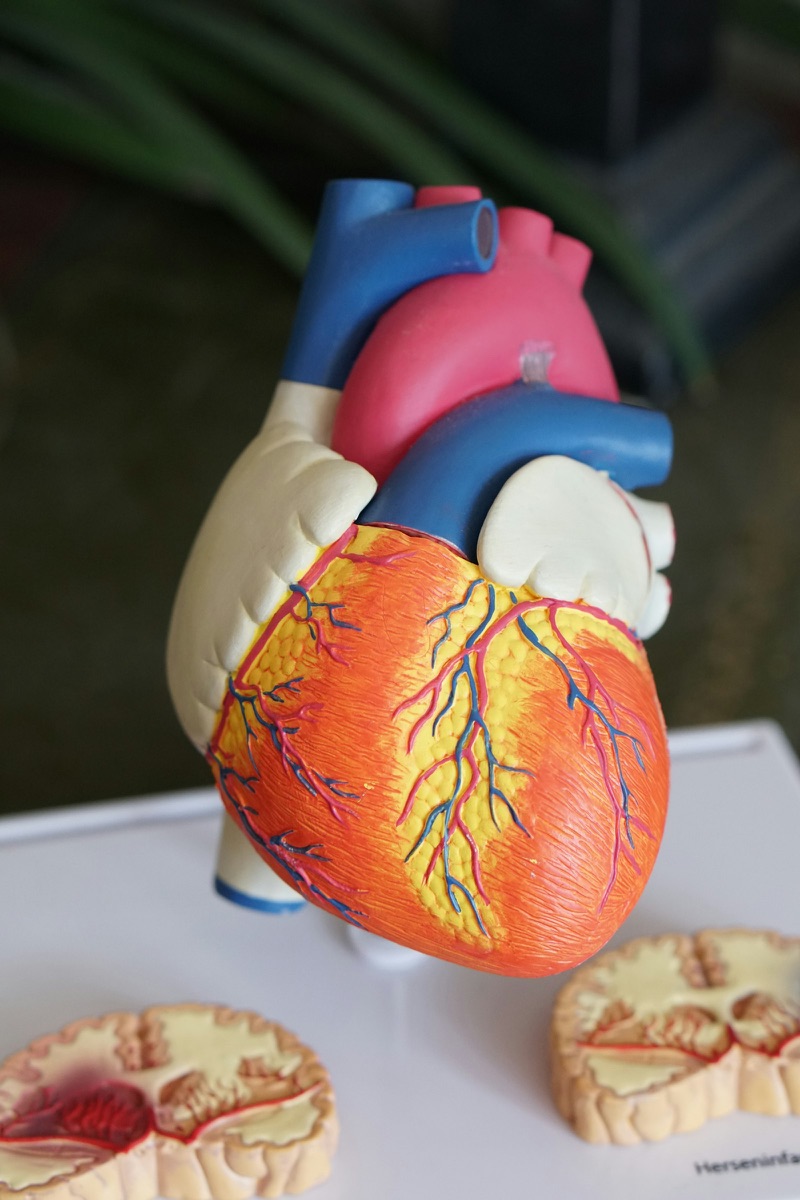
Blood pressure is how hard blood pushes on the inside of the arteries, the tubes that carry it away from the heart. When that push stays too strong, the heart, the blood vessels and other organs come under strain. [1] [2]
Checked against its sources on 21 November 2026. Things may have changed since then. How we check
In brief
- A reading gives two numbers: one for the moment the heart squeezes, and one for the pause after it. [1]
- Most people whose pressure is high feel nothing unusual. [2]
- Health bodies set different limits for what they call high blood pressure. [1] [2]
- In most people with high blood pressure, no cause is found. [3]
What is high blood pressure?
With high blood pressure, that push on the artery walls stays stronger than it should be. [4]
The top number is the pressure at the moment the heart squeezes. [1] The lower number is the pressure in the pause before the next beat. [1]
It usually gives no sign that anything is wrong, so it can go unnoticed. [2] A test can pick it up even in someone who feels well. [2]
What causes high blood pressure?
In most cases, the search for a cause finds no clear reason. [3] Sometimes a medicine or another illness causes the pressure to rise. [3]
Age and a family history of high blood pressure both raise the chance of having it. [2] Extra weight and a diet with lots of salt also add to that chance. [2]
What is a normal blood pressure?
The American Heart Association calls a reading normal when the top number is below 120 millimetres of mercury. [1] The lower number must also be below 80. [1]
In its system, high blood pressure starts at a top number of 130. [1] A lower number reaching 80 also meets its definition of high. [1]
The National Health Service (NHS) in England gives different limits for high blood pressure. [2] When a health professional takes the reading, its line is 140 over 90 or above. [2] When the reading is taken at home, the line is 135 over 85 or above. [2]
What we know and what we do not know
What we know:
- Left untreated, it makes a stroke or a heart attack more likely. [2]
- A cause often remains unfound. [3]
What we do not know:
Sudden chest pain or discomfort that does not go away is treated as an emergency by the NHS. [2]
A doctor or pharmacist is the person to ask about blood pressure, medicines and your own health.
This page provides information only. It does not give medical advice and does not replace your own doctor.
Sources
- American Heart Association. Understanding Blood Pressure Readings. Last reviewed 14 August 2025. https://www.heart.org/en/health-topics/high-blood-pressure/understanding-blood-pressure-readings (accessed 21 November 2026).
- NHS (England). High blood pressure (hypertension). Last reviewed 19 July 2024. https://www.nhs.uk/conditions/high-blood-pressure-hypertension/ (accessed 21 November 2026).
- MedlinePlus, US National Library of Medicine. High blood pressure in adults - hypertension. Medical Encyclopedia. Last reviewed/updated 13 February 2025. https://medlineplus.gov/ency/article/000468.htm (accessed 21 November 2026).
- US Centers for Disease Control and Prevention. About High Blood Pressure. Last reviewed 13 October 2026. https://www.cdc.gov/high-blood-pressure/about/index.html (accessed 21 November 2026).
- Curated from published research
- Every claim linked to its source
- Nothing sold, no adverts